
Case Study: How Our Bond Cleaning Helped a Tenant Get Their Full Deposit Back
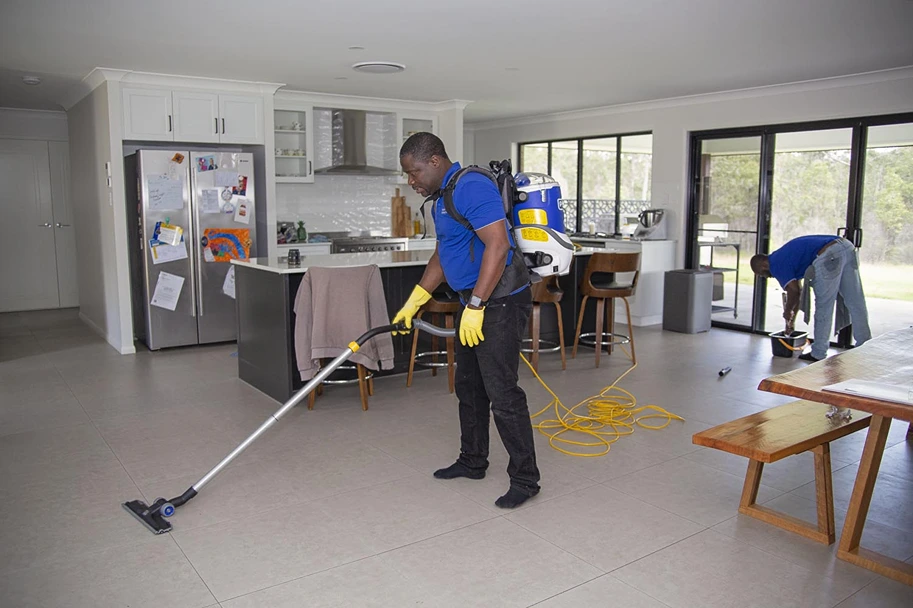
Moving out of a rental property is rarely simple. Between packing belongings, organising utilities, coordinating removalists, and managing handover dates, the final weeks of a tenancy can feel busy and overwhelming. One of the most common concerns tenants face during this time is whether their property will meet inspection standards and whether their bond will be returned in full.
This case study looks at a real bond cleaning scenario and shows how professional end of lease cleaning helped a tenant return their rental in excellent condition, pass the final inspection, and receive their full deposit back without delays or follow-up requests.
Understanding the importance of bond cleaning
Bond cleaning, also known as end of lease cleaning, is not the same as regular household cleaning. Property managers assess the condition of a property against the original entry condition report, often using detailed checklists that cover areas tenants may not clean regularly.
Even tenants who have taken good care of a property throughout their lease can be caught out by overlooked details at the end. Grease behind appliances, soap build-up in grout, or dust along skirting boards can be enough to trigger deductions or requests for re-cleaning.
This is why many tenants choose professional support to ensure the property is returned to an inspection-ready standard.
The tenant’s situation before moving out

In this case, the tenant had lived in a two-bedroom apartment for several years. The property had been well maintained, and the tenant had cleaned regularly during their tenancy. However, they were realistic about the fact that everyday living leaves signs of use over time.
The tenant was preparing to relocate for work and had a firm vacate date. With limited flexibility around inspection timing, they wanted to avoid the risk of failing the final inspection or being asked to arrange additional cleaning at short notice.
After reviewing the entry condition report and the property manager’s bond cleaning checklist, it became clear that the required standard went beyond a surface clean.
Key concerns raised by the tenant
Before booking the bond clean, the tenant shared specific concerns that many renters can relate to:
- Kitchen build-up, including grease inside the oven, residue on cupboard doors, and grime around the stovetop and rangehood.
- Bathroom wear, such as soap scum on shower screens, discoloured grout, and water marks on fixtures.
- Carpets in living areas, where dirt had settled into high-traffic walkways.
- Less obvious details, including skirting boards, door frames, light switches, internal windows, and window tracks.
The tenant had attempted to clean some of these areas themselves but was unsure whether the result would satisfy inspection standards.
Why professional bond cleaning was chosen
The decision to book professional bond cleaning was based on three main factors:
- Time constraints, with moving logistics already filling the final week of the lease.
- Inspection standards, which were detailed and left little room for error.
- Peace of mind, knowing the clean would be completed thoroughly and methodically.
Rather than risk losing part of the bond or needing to re-book cleaners after the inspection, the tenant wanted the job done properly the first time.
Our bond cleaning approach
The bond cleaning service followed a structured, room-by-room process designed specifically for end of lease requirements. The focus was not just on visible cleanliness but on meeting the criteria property managers commonly assess.
Kitchen cleaning in detail
The kitchen often attracts the closest scrutiny during final inspections, so this area received detailed attention.
Tasks included:
- Deep oven cleaning, removing baked-on grease and residue from internal surfaces, racks, and glass.
- Stovetop and rangehood cleaning, addressing grease build-up and filters.
- Cupboard interiors and exteriors, wiping down shelves, doors, and handles.
- Splashback and benchtops, ensuring all marks and residue were removed.
This level of detail helps prevent common inspection issues that lead to bond deductions.
Bathroom cleaning standards
Bathrooms are another high-risk area during inspections due to moisture and regular use.
The cleaning process included:
- Shower screens and glass, removing soap scum and water marks.
- Tile and grout cleaning, addressing discolouration and build-up.
- Toilets, sinks, and fittings, cleaned and sanitised thoroughly.
- Mirrors and surfaces, polished and left streak-free.
By addressing both visible surfaces and problem areas like grout lines, the bathroom was returned to an inspection-ready condition.
Carpet and flooring care
Carpets often look clean on the surface but can still hold embedded dirt in high-traffic areas.
For this property:
- Living areas and hallways were given extra attention to lift dirt from walkways.
- Bedrooms were refreshed to remove general dust and debris.
- Hard floors were mopped using appropriate methods for the surface type.
This approach helped restore the overall appearance of the property and reduced signs of wear.
Attention to overlooked details
Many bond issues arise from small areas being missed rather than major cleaning failures.
Detail work included:
- Skirting boards and door frames, cleaned of dust and marks.
- Light switches and power points, wiped and sanitised.
- Internal windows and window tracks, cleared of dirt and debris.
- Doors and handles, cleaned to remove fingerprints and smudges.
These details often make the difference between passing and failing an inspection.
Aligning the clean with inspection expectations
One of the most important steps in this case was communication. The tenant shared the property manager’s inspection checklist and entry condition report before the clean began.
This allowed the cleaning team to:
- Focus on areas specifically mentioned by the agent.
- Match the standard expected during the final inspection.
- Avoid assumptions about what was or was not required.
This alignment helps ensure the cleaning outcome meets expectations rather than relying on general cleaning standards.
The final inspection outcome
After the bond clean was completed, the property manager carried out the final inspection as scheduled.
The feedback highlighted:
- The cleanliness of the kitchen appliances and cupboards.
- The condition of the bathrooms, particularly the shower and grout.
- The overall presentation of the apartment.
There were no follow-up requests, no additional cleaning required, and no delays in processing the bond. The tenant received confirmation that their full deposit would be returned.
The impact on the tenant’s move
For the tenant, the result was more than just getting the bond back. It meant:
- No need to rearrange cleaning or attend re-inspections.
- No disputes with the property manager.
- A smoother transition into their next home.
At a time when moving already involves multiple tasks, removing uncertainty around the final inspection made a noticeable difference.
Why professional bond cleaning supports better outcomes
This case highlights why professional end of lease cleaning is often worth considering, even for tenants who clean regularly.
Professional bond cleaning helps by:
- Meeting inspection standards, based on real property manager checklists.
- Reducing the risk of deductions, by covering commonly missed areas.
- Saving time, during an already busy moving period.
- Providing confidence, that the property is ready for handover.
For tenants who want a structured, inspection-focused service, professional bond cleaning offers targeted support specifically designed for end of lease situations.
How bond cleaning differs from regular house cleaning
Many tenants assume that a thorough house clean will be enough to pass inspection. However, bond cleaning goes beyond everyday maintenance.
Regular house cleaning services focus on ongoing cleanliness and comfort, while bond cleaning targets:
- Appliances that are not cleaned weekly.
- Build-up in hard-to-reach areas.
- Inspection-specific requirements outlined by agents.
Understanding this difference helps tenants choose the right service for their situation.
Supporting property managers and landlords
Professional bond cleaning does not only benefit tenants. Property managers and landlords also benefit from properties being returned in good condition.
A properly cleaned property:
- Reduces turnaround time between tenants.
- Minimises disputes over cleaning standards.
- Supports consistent property presentation.
This is why many property managers recommend professional end of lease cleaning as part of the vacate process.
When additional services may be needed
In some cases, tenants may require extra services beyond standard bond cleaning.
This can include:
- Cleaning commercial spaces attached to residential properties, supported by commercial cleaning services.
- Cleaning office areas within mixed-use buildings, where office cleaning services may also apply.
- Scheduling follow-up cleaning if unexpected issues arise during inspection.
Having access to a provider that offers a range of services allows for flexibility when needs change.
A practical takeaway for tenants
This case study demonstrates that bond cleaning is not about perfection, but preparation. Understanding what property managers look for and addressing those areas thoroughly can significantly improve the likelihood of a full bond return.
For tenants with limited time, professional cleaning support can remove uncertainty and help ensure the tenancy ends on good terms.
Planning your own bond clean
If you are approaching the end of your lease and want to feel confident heading into your final inspection, planning your bond clean early is key. Reviewing your entry condition report, understanding inspection expectations, and arranging professional cleaning support can help avoid last-minute complications.
A well-executed bond clean supports a smooth handover, protects your deposit, and allows you to focus on settling into your next home rather than dealing with cleaning disputes.
If you are considering professional support, a structured bond cleaning service can help ensure your property is returned in a condition that meets inspection standards and supports a positive outcome at the end of your tenancy. Book a bond clean today.